» » » » Оливер Стоун - Нерассказанная история США

Оливер Стоун - Нерассказанная история США

На нашем литературном портале можно бесплатно читать книгу Оливер Стоун - Нерассказанная история США, Оливер Стоун . Жанр: Биографии и Мемуары. Онлайн библиотека дает возможность прочитать весь текст и даже без регистрации и СМС подтверждения на нашем литературном портале litmir.org.
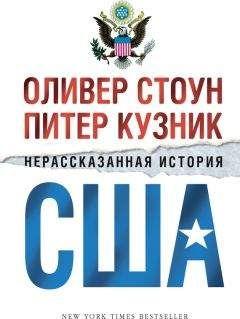
Оливер Стоун - Нерассказанная история США
Название: Нерассказанная история США
ISBN: -
Год: -
Дата добавления: 3 февраль 2019
Количество просмотров: 326
Читать онлайн

Внимание! Книга может содержать контент только для совершеннолетних. Для несовершеннолетних просмотр данного контента СТРОГО ЗАПРЕЩЕН! Если в книге присутствует наличие пропаганды ЛГБТ и другого, запрещенного контента - просьба написать на почту readbookfedya@gmail.com для удаления материала

Нерассказанная история США читать книгу онлайн

Нерассказанная история США - читать бесплатно онлайн , автор Оливер Стоун
Мы не хотим заново пересказывать всю историю нашей страны – это попросту невозможно. Мы стремимся пролить свет на то, что мы считаем предательством идей, легших в основу ее исторической миссии, – поскольку нам кажется, что все еще есть надежда исправить эти ошибки до того, как XXI век окончательно вступит в свои права. Нас глубоко беспокоит курс, взятый США в последнее время.Почему наша страна размещает во всех уголках земного шара свои военные базы, общее количество которых, по некоторым подсчетам, перевалило за тысячу? Почему США тратят на свои вооруженные силы больше денег, чем все остальные страны, вместе взятые? Почему наше государство по-прежнему содержит огромный арсенал ядерного оружия, большая часть которого находится в постоянной боевой готовности, хотя, по сути, ни одна страна сегодня не представляет для нас непосредственной угрозы?Почему ничтожному меньшинству состоятельных американцев позволено оказывать такое мощное влияние на внутреннюю и внешнюю политику США и СМИ, в то время как широкие народные массы страдают от снижения уровня жизни, а их голос в политике слышен все слабее? Почему американцы вынуждены мириться с постоянным надзором, вмешательством государства в их личные дела, попранием гражданских свобод и утратой права на частную жизнь?Это повергло бы в ужас отцов-основателей и прежние поколения американцев. Почему в нашей стране именно те, кем движет жадность и узколобый эгоизм, правят теми, кто ратует за такие общественные ценности, как доброта, щедрость, сочувствие к окружающим, общность интересов и верность общенародным идеалам?И это лишь малая толика тех вопросов, которые мы зададим на страницах этой книги. И хотя мы не надеемся, что сумеем найти ответы на все из них, мы все же постараемся представить исторические факты так, чтобы читатели смогли самостоятельно углубиться в изучение заинтересовавших их вопросов.В истории Американской империи мало хорошего. Но необходимо честно и открыто говорить о ней, если мы хотим, чтобы Соединенные Штаты когда-нибудь отважились пойти на коренные реформы, которые позволят им играть ведущую роль в продвижении человечества вперед, вместо того чтобы всячески тормозить его прогресс.Оливер Стоун, Питер КузникБуктрейлер к этой книге
Перейти на страницу:
Конец ознакомительного фрагментаКупить книгу

Ознакомительная версия. Доступно 35 страниц из 228

50. Richard F. Grimmett, “Instances of Use of United States Armed Forces Abroad, 1798–2009”, January 27, 2010, Congressional Research Service, www.fas.org/sgp/crs/natsec/RL32170.pdf.

51. LaFeber Walter. Inevitable Revolutions: The United States in Central America. – NY: W. W. Norton, 1993. – P. 42.

52. Там же. – P. 46.

53. Там же. – P. 50.

54. The Republic of Brown Bros. // Nation. – 1922. – № 114. – 667 p.

55. LaFeber Walter. Inevitable Revolutions: The United States in Central America. – NY: W. W. Norton, 1993. – P. 69.

56. Zinn Howard, Arnove Anthony. Voices of a People’s History of the United States, 2nd. ed. – NY: Seven Stories Press, 2009. – P. 251–252.

Глава 1. Первая мировая война: Вильсон против Ленина

1. Appleman Williams William. The Tragedy of American Diplomacy. – NY: W. W. Norton, 1988. – P. 72.

2. Slotkin Richard. Gunfighter Nation: The Myth of the Frontier in Twentieth-Century America. – NY: Harper-Perennial, 1992. – P. 240.

3. Hofstadter Richard. The American Political Tradition and the Men Who Made It. – NY: Alfred A. Knopf, 1949. – P. 237–241.

4. Gardner Lloyd C. Wilson and Revolutions: 1913–1921. – NY: J. B. Lippincott, 1976. – P. 12.

5. LaFeber Walter. The American Age: United States Foreign Policy at Home and Abroad Since 1750. – NY: W. W. Norton, 1989. – P. 262; Gardner Lloyd C., LaFeber Walter F., McCormick Thomas J. Creation of the American Empire. Vol. 2: U. S. Diplomatic History Since 1893. – Chicago: Rand McNally, 1976. – P. 305.

6. Herring George C. From Colony to Superpower: U. S. Foreign Relations Since 1776. – NY: Oxford University Press, 2008. – P. 390.

7. Gardner Lloyd C., LaFeber Walter F., McCormick Thomas J. Creation of the American Empire. Vol. 2: U. S. Diplomatic History Since 1893. – Chicago: Rand McNally, 1976. – P. 306–307; LaFeber Walter. The American Age: United States Foreign Policy at Home and Abroad Since 1750. – NY: W. W. Norton, 1989. – P. 278.

8. Appleman Williams William. The Tragedy of American Diplomacy. – NY: W. W. Norton, 1988. – P. 70.

9. Shoultz Lars. Beneath the United States: A History of U. S. Policy Toward Latin America. – Cambridge, MA: Harvard University Press, 1998. – P. 246.

10. Kristof Nicholas D. Our Broken Escalator // New York Times. – 2011. – July 17.

11. Zinn Howard. A People’s History of the United States. – NY: Harper Colophon, 1980. – P. 350.

12. Painter Nell Irvin: Standing at Armageddon: The United States, 1877–1919. – NY: W. W. Norton, 1987. – P. 293.

13. Ginger Ray. The Bending Cross: A Biography of Eugene Victor Debs. – New Brunswick, NJ: Rutgers University Press, 1949. – P. 328.

14. Herring George C. From Colony to Superpower: U. S. Foreign Relations Since 1776. – NY: Oxford University Press, 2008. – P. 399.

15. Olmsted Kathryn S. Real Enemies: Conspiracy Theories and American Democracy, World War I to 9/11. – NY: Oxford University Press, 2009. – P. 34.

16. Notes Linking Wilson to Morgan War Loans // Washington Post. – 1936. – January 8.

17. Herring George C. From Colony to Superpower: U. S. Foreign Relations Since 1776. – NY: Oxford University Press, 2008. – P. 403, 409–410.

18. Scene in the Senate as President Speaks // New York Times. – 1917. – January 23.

19. Amazement and Bewilderment Caused by Proposal of Wilson for Peace Pact for the World // Atlanta Constitution. – 1917. – January 23.

20. LaFeber Walter. The American Age: United States Foreign Policy at Home and Abroad Since 1750. – NY: W. W. Norton, 1989. – P. 278; Jefferson Carter. Anatole France: The Politics of Skepticism. – New Brunswick, NJ: Rutgers University Press, 1965. – P. 195.

21. Knock Thomas J. To End All Wars: Woodrow Wilson and the Quest for a New World Order. – NY: Oxford University Press, 1992. – P. 118.

22. Там же. – P. 120.

23. Там же. – P. 121, 131.

24. Kennedy David M. Over Here: The First World War and American Society. – NY: Oxford University Press, 1992. – P. 184–185.

25. Kennedy David M. Over Here: The First World War and American Society. – NY: Oxford University Press, 1992. – P. 60–62.

26. Graebner William. The Engineering of Consent: Democracy and Authority in Twentieth-Century America. – Madison: University of Wisconsin Press, 1987. – P. 42.

27. Clark Victor S. The German Press and the War // Historical Outlook. – 1919.—№ 10. – P. 427.

28. Shows German Aim to Control World // New York Times. – 1917. – December 10.

29. Halsey Ross Stewart. Propaganda for War: How the United States Was Conditioned to Fight the Great War of 1914–1918. – Jefferson, NC: McFarland & Co., 1996. – P. 241.

30. Documents Prove Lenin and Trotzky Hired by Germans // New York Times. – 1918. – September 15.

31. Halsey Ross Stewart. Propaganda for War: How the United States Was Conditioned to Fight the Great War of 1914–1918. – Jefferson, NC: McFarland & Co., 1996.– P. 241.

32. Creel Upholds Russian Exposure // New York Times. – 1918. – September 22.

33. Spurns Sisson Data // Washington Post. – 1918. – September 22.

34. Halsey Ross Stewart. Propaganda for War: How the United States Was Conditioned to Fight the Great War of 1914–1918. – Jefferson, NC: McFarland & Co., 1996.– P. 241–242.

35. The Sisson Documents // Nation, November 23, 1918. Цитируется по: Philip Sheldon Foner, The Bolshevik Revolution: Its Impact on American Radicals, Liberals, and Labor (New York: International Publishers, 1967), 137.

36. Kennan George F. The Sisson Documents // Journal of Modern History. – № 28.– 1956. – P. 130–154.

37. Angoff Charles. The Higher Learning Goes to War // The American Mercury. – № 2. – 1927. – P. 178.

38. Lasswell Harold D. Propaganda Technique in the World War. – NY: Alfred A. Knopf, 1927. – P. 14–15.

39. Oust Traitors, Says Butler // New York Times. – 1917. – June 7.

40. Columbia Ousts Two Professors, Foes of War Plans // New York Times. – 1917. – October 2.

41. The Expulsions at Columbia // New York Times. – 1917. – October 3.

42. Quits Columbia; Assails Trustees // New York Times. – 1917. – October 9.

43. Ibid.

44. Peterson Horace Cornelius, Courtland Fite Gilbert. Opponents of War, 1917–1918.– Madison: University of Wisconsin Press, 1957. – P. 104–112.

45. Gruber Carol S. Mars and Minerva: World War I and the Uses of the Higher Learning in America. – Baton Rouge: Louisiana State University Press, 1975. – P. 213–214.

46. War Directed College Course to be Intensive // Chicago Tribune. – 1918. – September 1.

47. Gruber Carol S. Mars and Minerva: World War I and the Uses of the Higher Learning in America. – Baton Rouge: Louisiana State University Press, 1975. – P. 57–59.

48. Bankers Cheer Demand to Oust Senator La Follette; ‘Like Poison in Food of Army’ // Chicago Tribune. – 1917. – September 28.

49. Gruber Carol S. Mars and Minerva: World War I and the Uses of the Higher Learning in America. – Baton Rouge: Louisiana State University Press, 1975. – P. 208.

50. Zinn Howard. A People’s History of the United States. – NY: Harper Colophon, 1980. – P. 356.

51. Painter Nell Irvin: Standing at Armageddon: The United States, 1877–1919. – NY: W. W. Norton, 1987. – P. 335; Kennedy David M. Over Here: The First World War and American Society. – NY: Oxford University Press, 1992. – P. 76.

52. “Sedition Act of 1918”, www.pbs.org/wnet/supremecourt/capitalism/sourcesdocument1.html.

53. Salvatore Nick. Eugene V. Debs: Citizen and Socialist. – Urbana: University of Illinois Press, 1982. – P. 292.

54. Zinn Howard. A People’s History of the United States. – NY: Harper Colophon, 1980. – P. 358.

55. Там же. – P. 358–359.

56. Там же. – P. 359.

57. The I. W.W. // New York Times. – 1917. – August 4.

58. Kennedy David M. Over Here: The First World War and American Society. – NY: Oxford University Press, 1992. – P. 133; Axelrod Alan. Selling the Great War: The Making of American Propaganda. NY: Palgrave Macmillan, 2009. – P. 181–182.

59. Painter Nell Irvin: Standing at Armageddon: The United States, 1877–1919. – NY: W. W. Norton, 1987. – P. 335.

60. Stamping Out Treason // Washington Post. – 1918. – April 12.

61. Zinn Howard. A People’s History of the United States. – NY: Harper Colophon, 1980. – P. 355–356.

62. Painter Nell Irvin: Standing at Armageddon: The United States, 1877–1919. – NY: W. W. Norton, 1987. – P. 336.

63. D’Emilio John, Freedman Estelle B. Intimate Matters: A History of Sexuality in America. – Chicago: University of Chicago Press, 1998. – P. 212–213.

64. Meil Hobson Barbara. Uneasy Virtue: The Politics of Prostitution and the American Reform Tradition. – C: University of Chicago Press, 1990. – P. 169, 176–177; Connelly Mark Thomas. The Response to Prostitution in the Progressive Era. – Chapel Hill: University of North Carolina Press, 1980. – P. 143–145.

65. Brandt Allan M. No Magic Bullet: A Social History of Venereal Disease in the United States Since 1880. – NY: Oxford University Press, 1987. – P. 59–60, 101; Connelly Mark Thomas. The Response to Prostitution in the Progressive Era. – Chapel Hill: University of North Carolina Press, 1980. – P. 140; Kennedy David M. Over Here: The First World War and American Society. – NY: Oxford University Press, 1992. – P. 186.

66. Brandt Allan M. No Magic Bullet: A Social History of Venereal Disease in the United States Since 1880. – NY: Oxford University Press, 1987. – P. 101–106; Kennedy David M. Over Here: The First World War and American Society. – NY: Oxford University Press, 1992. – P. 186–187.

67. Brandt Allan M. No Magic Bullet: A Social History of Venereal Disease in the United States Since 1880. – NY: Oxford University Press, 1987. – P. 116–119.

68. Randolph Bourne. Unfinished Fragment on the State // Untimely Papers / Ed. J. Oppenheim. – New York: B. W. Huebsch, 1919. – P. 145.

69. Tucker Jonathan B. War of Nerves: Chemical Warfare from World War I to Al-Oaeda. – NY: Pantheon Books, 2006. – P. 10.

70. Miles Wyndham D. The Idea of Chemical Warfare in Modern Times // Journal of the History of Ideas. – № 31. – 1970. – P. 300–303.

71. “Declaration (IV, 2) Concerning Asphyxiating Gases”, Document 3. В кн.: Adam Roberts and Richard Guelff, ed. Documents on the Laws of War, 3rd ed. (New York: Oxford University Press, 2000), 60.

72. Crazed by Gas Bombs // Washington Post. – 1915. – April 26.

73. New and Peculiar Military Cruelties Which Arise to Characterize Every War // Washington Post. – 1915. – May 30.

74. Topics of the Times // New York Times. – 1915. – May 8.

75. Hershberg James. James B. Conant: Harvard to Hiroshima and the Making of the Nuclear Age. – NY: Alfred A. Knopf, 1993. – P. 44.

76. David Jerome Rhees, The Chemists’ Crusade: The Rise of an Industrial Science in Modern America, 1907–1922, PhD Thesis, University of Pennsylvania, 1987, 169; Hershberg James. Op. cit. – P. 45–49.

77. Hershberg James. Op. cit. – P. 42.

78. Tyner James A. Military Legacies: A World Made by War. – NY: Routledge, 2010. – P. 98–99.

79. Millikan Robert A. The New Opportunities in Science // Science. – № 50. – 1919. – P. 292.

80. Moreno John D. Undue Risk: Secret State Experiments on Humans. – NY: Routledge, 2001. – P. 38–39; Andy Sagar, ‘Secret, Deadly Research’: Camp AU Scene of World War Training Trenches, Drill Field // Eagle, American University, January 15,1965.

81. Sagar, ‘Secret, Deadly Research’.

82. Moreno John D. Undue Risk: Secret State Experiments on Humans. – NY: Routledge, 2001. – P. 38–39; Sagar, ‘Secret, Deadly Research’.

83. Martin K. Gordon, Barry R. Sude, Ruth Ann Overbeck, and Charles Hendricks, “A Brief History of the American University Experiment Station and U. S. Navy Bomb Disposal School, American University”, Office of History, U. S. Army Corps of Engineers, June 1994, 12.

84. Hershberg James. James B. Conant: Harvard to Hiroshima and the Making of the Nuclear Age. – NY: Alfred A. Knopf, 1993. – P. 46–47.

85. Barry Richard. America’s Most Terrible Weapon: The Greatest Poison Gas Plant in the World Ready for Action When the War Ended // Current History. – № 125. – 1919. – P. 127.

86. Harris Robert, Paxman Jeremy. A Higher Form of Killing: The Secret History of Chemical and Biological Warfare. – NY: Random House, 2002. – P. 35.

87. Barry Richard. America’s Most Terrible Weapon: The Greatest Poison Gas Plant in the World Ready for Action When the War Ended // Current History. – № 125. – 1919. – P. 127–128.

88. Jenkins Dominick. The Final Frontier: America, Science, and Terror. – L.: Verso, 2002. – P. 38.

89. Tucker Jonathan B. War of Nerves: Chemical Warfare from World War I to Al-Qaeda. – NY: Pantheon Books, 2006. – P. 19–20.

90. Barry Richard. America’s Most Terrible Weapon: The Greatest Poison Gas Plant in the World Ready for Action When the War Ended // Current History. – № 125. – 1919. – P. 128.

91. Tanaka Yuki. British ‘Humane Bombing’ in Iraq During the Interwar Era // Bombing Civilians: A Twentieth-Century History / Ed. Yuki Tanaka and Marilyn B. Young. – NY: New Press, 2009. – P. 8, 11.

92. Encyclopedia of World War I: A Political, Social and Military History / Ed. Spencer Tucker. – Santa Barbara, CA: ABC–CLIO, 2005. – P. 57.

93. Tanaka Yuki. British ‘Humane Bombing’ in Iraq. – P. 13–29.

94. Jenkins Dominick. The Final Frontier: America, Science, and Terror. – L.: Verso, 2002. – P. 2–3.

95. Jenkins Dominick. The Final Frontier: America, Science, and Terror. – L.: Verso, 2002. – P. 2–3.

96. Irwin Will. “The Next War”: An Appeal to Common Sense. – NY: E. P. Dutton & Co., 1921. – P. 37–38.

97. The Chemical Industry Show // New York Times. – 1917. – September 26.

98. Jones Daniel P. American Chemists and the Geneva Protocol // Isis. – 1980. – № 3. – P. 432, 438.

99. Jones Daniel P. American Chemists and the Geneva Protocol // Isis. – № 3. – 1980. – P. 432, 438; Tucker Jonathan B. War of Nerves: Chemical Warfare from World War I to Al-Qaeda. – NY: Pantheon Books, 2006. – P. 21–22.

Ознакомительная версия. Доступно 35 страниц из 228

Перейти на страницу:
Комментариев (0)