» » » » Ошибки природы: Пределы и несовершенство естественного отбора - Энди Добсон
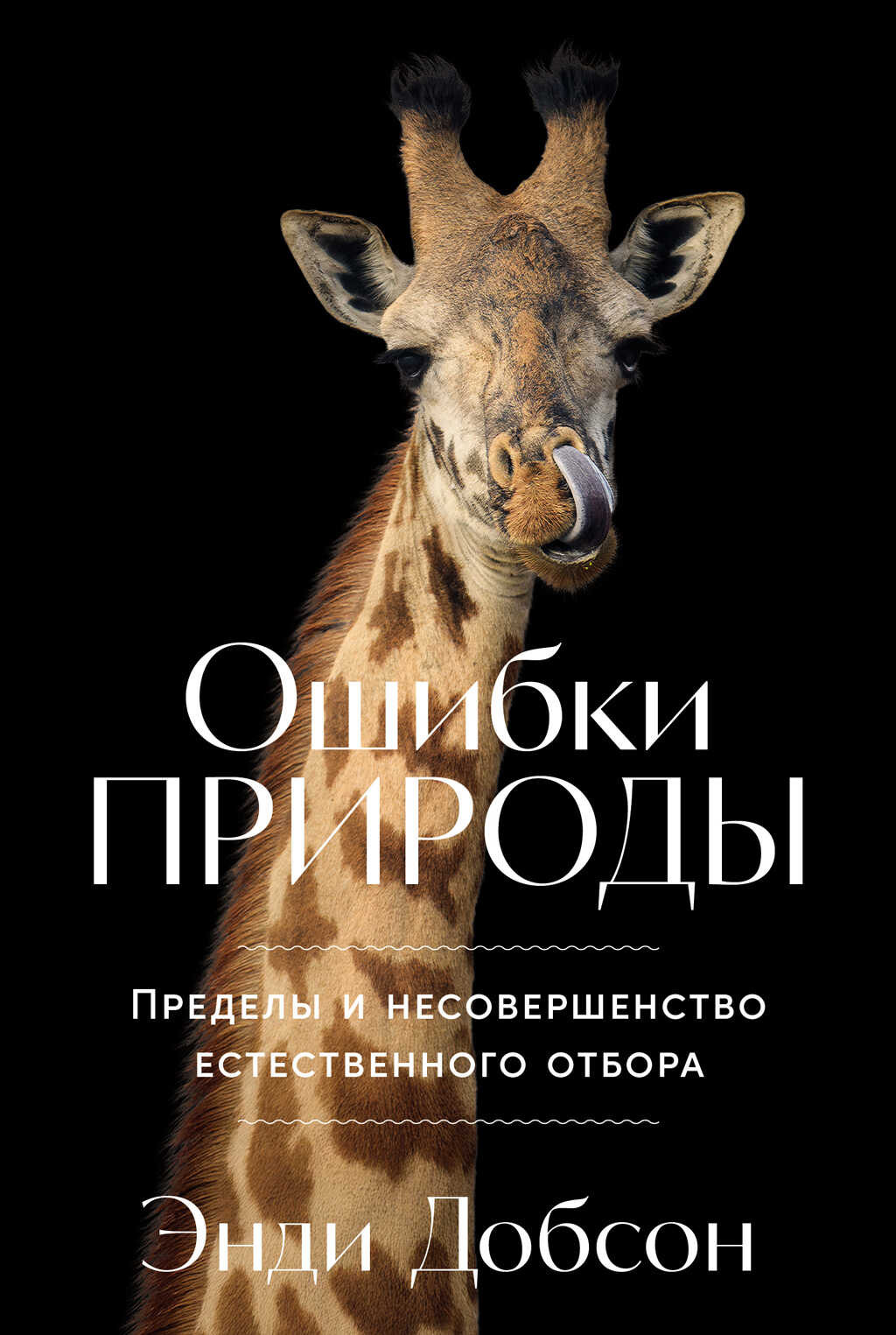
Ошибки природы: Пределы и несовершенство естественного отбора - Энди Добсон

На нашем литературном портале можно бесплатно читать книгу Ошибки природы: Пределы и несовершенство естественного отбора - Энди Добсон, Энди Добсон . Жанр: Прочее. Онлайн библиотека дает возможность прочитать весь текст и даже без регистрации и СМС подтверждения на нашем литературном портале litmir.org.
Ошибки природы: Пределы и несовершенство естественного отбора - Энди Добсон
Название: Ошибки природы: Пределы и несовершенство естественного отбора
Дата добавления: 15 декабрь 2025
Количество просмотров: 23
Читать онлайн

Внимание! Книга может содержать контент только для совершеннолетних. Для несовершеннолетних просмотр данного контента СТРОГО ЗАПРЕЩЕН! Если в книге присутствует наличие пропаганды ЛГБТ и другого, запрещенного контента - просьба написать на почту readbookfedya@gmail.com для удаления материала

Ошибки природы: Пределы и несовершенство естественного отбора читать книгу онлайн

Ошибки природы: Пределы и несовершенство естественного отбора - читать бесплатно онлайн , автор Энди Добсон

В ходе эволюции виды идеально приспосабливаются к условиям окружающей среды, не правда ли? Что ж, иногда бывает и не так. Но подумайте вот о чем: у слона не вырастает седьмой набор зубов, хотя после того, как сотрется шестой набор, он будет обречен на голодную смерть; птицы, в чьи гнезда подбрасывает яйца кукушка, не способны отличить монстра-переростка в гнезде от собственного птенца; а киты хотя и стали полностью водными млекопитающими миллионы лет назад, до сих пор не научились дышать под водой.
Эта книга об эволюции, но не о ее величайших достижениях. Напротив, в ней рассматриваются всевозможные эволюционные решения, которые можно назвать самоубийственными, неудачными, неэкономными или откровенно странными, – и объясняется, почему всему этому благоприятствует естественный отбор. В грандиозной борьбе за выживание проявляются некоторые удивительные закономерности: животные всегда немного отстают от изменений окружающей среды; неэффективность имеет тенденцию со временем возрастать; хищники обычно проигрывают, а паразиты выигрывают. Умело сочетая юмор и научную проницательность, Энди Добсон в своей книге раскрывает пределы возможностей эволюции и цену, которую приходится за это платить.
В самом широком смысле эволюция – это изменение биологических организмов во времени, осуществляемое путем естественного отбора, процесса, в ходе которого полезные мутации в каждом поколении накапливаются и дают преимущества в конкуренции за выживание и размножение. Таким образом, у птиц, стрекоз и летучих мышей появилась способность к полету, змеи утратили конечности, электрические угри приобрели электрошокеры, у пауков возникла паутина, бобры стали обустраивать водные угодья, а муравьи – разводить грибы и тлей. Поражающее воображение разнообразие и изобретательность жизни невозможно недооценить, и в основе всего этого лежит естественный отбор.

1 ... 53 54 55 56 57 ... 62 ВПЕРЕД
Перейти на страницу:
pp. 1161–1170.

Lloyd, K.J. et al., 2020. Trade-offs between age-related breeding improvement and survival senescence in highly polygynous elephant seals: dominant males always do better. Journal of Animal Ecology, 89(3), pp. 897–909.

Murray, R.L. et al., 2018. Sexual selection on multiple female ornaments in dance flies. Proceedings of the Royal Society B: Biological Sciences, 285(1887), p. 20181525.

Rogers, D.W., Grant, C.A., Chapman, T., Pomiankowski, A., and Fowler, K., 2006. The influence of male and female eye span on fertility in the stalk-eyed fly, Cyrtodiopsis dalmanni. Animal Behaviour, 72(6), pp. 1363–1369.

Swallow, J.G. et al., 2000. Aerial performance of stalk-eyed flies that differ in eye span. Journal of Comparative Physiology B, 170(7), pp. 481–487.

Schamel, D. et al., 2004. Mate guarding, copulation strategies and paternity in the sex-role reversed, socially polyandrous red-necked phalarope Phalaropus lobatus. Behavioral Ecology and Sociobiology, 57(2), pp. 110–118.

Wheeler, J. et al., 2012. Stabilizing sexual selection for female ornaments in a dance fly. Journal of Evolutionary Biology, 25(7), pp. 1233–1242.

Wilkinson, G.S., Amitin, E.G., and Johns, P.M., 2005. Sex-linked correlated responses in female reproductive traits to selection on male eye span in stalk-eyed flies. Integrative and Comparative Biology, 45(3), pp. 500–510.

Wilkinson, G.S. and Reillo, P.R., 1994. Female choice response to artificial selection on an exaggerated male trait in a stalk-eyed fly. Proceedings of the Royal Society of London. Series B: Biological Sciences, 255(1342), pp. 1–6.

Worthington, A.M. and Swallow, J.G., 2010. Gender differences in survival and antipredatory behavior in stalk-eyed flies. Behavioral Ecology, 21(4), pp. 759–766.

Глава 5

Austad, S.N. and Hoffman, J.M., 2018. Is antagonistic pleiotropy ubiquitous in aging biology? Evolution, Medicine, and Public Health, 2018(1), pp. 287–294.

Chen, J. et al., 2007. A demographic analysis of the fitness cost of extended longevity in Caenorhabditis elegans. The Journals of Gerontology Series A: Biological Sciences and Medical Sciences, 62(2), pp. 126–135.

Dańko, M.J. et al., 2015. Unraveling the non-senescence phenomenon in Hydra. Journal of Theoretical Biology, 382, pp. 137–149.

Garsin, D.A. et al., 2003. Long-lived C. elegans daf–2 mutants are resistant to bacterial pathogens. Science, 300(5627), pp. 1921–1921.

Henning, J. et al., 2015. The causes and prognoses of different types of fractures in wild koalas submitted to wildlife hospitals. Preventive Veterinary Medicine, 122(3), pp. 371–378.

Janssen, V., 2012. Indirect tracking of drop bears using GNSS technology. Australian Geographer, 43(4), pp. 445–452.

Jones, O.R. et al., 2014. Diversity of ageing across the tree of life. Nature, 505(7482), pp. 169–173.

Jones, O.R. and Vaupel, J.W., 2017. Senescence is not inevitable. Biogerontology, 18(6), pp. 965–971.

Kenyon, C. et al., 1993. A C. elegans mutant that lives twice as long as wild type. Nature, 366(6454), pp. 461–464.

Kirkwood, T.B. and Rose, M.R., 1991. Evolution of senescence: late survival sacrificed for reproduction. Philosophical Transactions of the Royal Society of London. Series B: Biological Sciences, 332(1262), pp. 15–24.

Lanyon, J.M. and Sanson, G.D., 1986. Koala (Phascolarctos cinereus) dentition and nutrition. II. Implications of tooth wear in nutrition. Journal of Zoology, 209(2), pp. 169–181.

Livingston, C. et al., 2017. Man-eating teddy bears of the scrub: exploring the Australian drop bear urban legend. eTropic: Electronic Journal of Studies in the Tropics, 16(1).

Logan, M. and Sanson, G.D., 2002. The effect of tooth wear on the feeding behaviour of free-ranging koalas (Phascolarctos cinereus, Goldfuss). Journal of Zoology, 256(1), pp. 63–69.

Luebke, A. et al., 2019. Optimized biological tools: ultrastructure of rodent and bat teeth compared to human teeth. Bioinspired, Biomimetic and Nanobiomaterials, 8(4), pp. 247–253.

McComb, K. et al., 2001. Matriarchs as repositories of social knowledge in African elephants. Science, 292(5516), pp. 491–494.

McComb, K. et al., 2011. Leadership in elephants: the adaptive value of age. Proceedings of the Royal Society B: Biological Sciences, 278(1722), pp. 3270–3276.

Martınez, D.E., 1998. Mortality patterns suggest lack of senescence in hydra. Experimental Gerontology, 33(3), pp. 217–225.

Medawar, P.B., 1952. An Unsolved Problem of Biology. Lewis, London. Nussey, D.H. et al., 2013. Senescence in natural populations of animals: Widespread evidence and its implications for bio-gerontology. Ageing Research Reviews, 12(1), pp. 214–225.

Obendorf, D.L., 1983. Causes of mortality and morbidity of wild koalas, Phascolarctos cinereus (Goldfuss), in Victoria, Australia. Journal of Wildlife Diseases, 19(2), pp. 123–131.

Schaible, R. et al., 2014. Aging and potential for self-renewal: hydra living in the age of aging – a mini-review. Gerontology, 60(6), pp. 548–556.

Schaible, R. et al., 2015. Constant mortality and fertility over age in Hydra. PNAS, 112(51), pp. 15701–15706.

da Silva, J., 2019. Plastic senescence in the honey bee and the disposable soma theory. The American Naturalist, 194(3), pp. 367–380.

Sun, S. et al., 2020. Inducible aging in Hydra oligactis implicates sexual reproduction, loss of stem cells, and genome maintenance as major pathways. GeroScience, 42(4), pp. 1119–1132.

Williams, G.C., 1957. Pleiotropy, natural selection, and the evolution of senescence. Evolution, 11, pp. 398–411.

Woyciechowski, M. and Kozłowski, J., 1998. Division of labor by division of risk according to worker life expectancy in the honey bee (Apis mellifera L.). Apidologie, 29(1–2), pp. 191–205.

Глава 6

Baratte, S. et al., 2006. Reproductive conflicts and mutilation in queenless Diacamma ants. Animal Behaviour, 72(2), pp. 305–311.

Camerer, C.F., 2003. Behavioral Game Theory: Experiments in Strategic Interaction. Princeton University Press, Princeton, NJ.

Dawkins, R. 1976. The Selfish Gene. Oxford University Press, Oxford. Dawkins, R. 1986. The Blind Watchmaker. Norton & Co., New York.

D’Ettorre, P. et al., 2000. Sneak in or repel your enemy: Dufour’s gland repellent as a strategy for successful usurpation in the slave-maker Polyergus rufescens. Chemoecology, 10(3), pp. 135–142.

De Roode, J.C. et al., 2005. Virulence and competitive ability in genetically diverse malaria infections. PNAS, 102(21), pp. 7624–7628.

Griffin, A.S. and West, S.A., 2002. Kin selection: fact and fiction. Trends in Ecology & Evolution, 17(1), pp. 15–21.

Flower, T., 2011. Fork-tailed drongos use deceptive mimicked alarm calls to steal food. Proceedings of the Royal Society B: Biological Sciences, 278(1711), pp. 1548–1555.

Flower, T.P. and Gribble, M., 2012. Kleptoparasitism by attacks versus false alarm calls in fork-tailed drongos. Animal Behaviour, 83(2), pp. 403–410.

Flower, T.P. et al., 2014. Deception by flexible alarm mimicry in an African bird. Science, 344(6183), pp. 513–516.

Gardner, A. et al., 2004. Bacteriocins, spite and virulence. Proceedings of the Royal Society of London. Series B: Biological Sciences, 271(1547), pp. 1529–1535.

Gardner, A. et al., 2007. Spiteful soldiers and sex ratio conflict in polyembryonic parasitoid wasps. The American Naturalist, 169, pp. 519–534.

Giron, D. et al., 2004. Aggression by polyembryonic wasp soldiers correlates with kinship but not resource competition. Nature, 430(7000), pp. 676–679.

Giron, D. et al., 2007. Male soldier caste larvae are non-aggressive in the polyembryonic wasp Copidosoma floridanum. Biology Letters, 3(4), pp. 431–434.

Giron, D. and Strand, M.R., 2004. Host resistance and the evolution of kin recognition in polyembryonic wasps. Proceedings of the Royal Society of London. Series B: Biological Sciences, 271(suppl_6), pp.S395–S398.

Gleichsner, A.M. and Minchella, D.J., 2014. Can host ecology and kin selection predict parasite virulence? Parasitology, 141(8), pp. 1018–1030.

Grüter, C. et al., 2016. Warfare in stingless bees. Insectes Sociaux, 63(2), pp. 223–236.

Hamilton, W.D., 1964. The genetical evolution of social behaviour. I. Journal of Theoretical Biology, 7(1), pp. 1–17.

Hamilton, W.D., 1964. The genetical evolution of social behaviour. II. Journal of Theoretical Biology, 7(1), pp. 17–52.

Hodgson, D.J. et al., 2004. Host ecology determines the relative fitness of virus genotypes in mixed-genotype nucleopolyhedrovirus infections. Journal of Evolutionary Biology, 17(5), pp. 1018–1025.

Mori, A. et al., 2000. Colony founding in Polyergus rufescens: the role of the Dufour’s gland. Insectes Sociaux, 47(1), pp. 7–10.

Mori, A. et al., 2001. Comparison of reproductive strategies and raiding behaviour in facultative and obligatory slave-making ants: the case of Formica sanguinea and Polyergus rufescens. Insectes Sociaux, 48(4), pp. 302–314.

Nash, D.R. et al., 2008. A mosaic of chemical coevolution in a large blue butterfly. Science, 319(5859), pp. 88–90.

Ridley, M. 1993. The Red Queen. Viking Books, London.

Shackleton, K. et al., 2015. Appetite for self-destruction: suicidal biting as a nest defense strategy in Trigona stingless bees. Behavioral Ecology and Sociobiology, 69(2), pp. 273–281.

Straub, P.G. and Murnighan, J.K., 1995. An experimental investigation of ultimatum games: information, fairness, expectations, and lowest acceptable offers. Journal of Economic Behavior &

1 ... 53 54 55 56 57 ... 62 ВПЕРЕД
Перейти на страницу:
Комментариев (0)