» » » » Оливер Стоун - Нерассказанная история США

Оливер Стоун - Нерассказанная история США

На нашем литературном портале можно бесплатно читать книгу Оливер Стоун - Нерассказанная история США, Оливер Стоун . Жанр: Биографии и Мемуары. Онлайн библиотека дает возможность прочитать весь текст и даже без регистрации и СМС подтверждения на нашем литературном портале litmir.org.
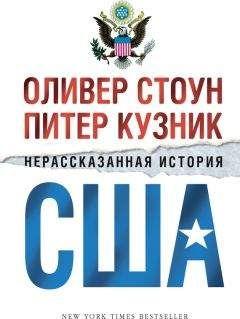
Оливер Стоун - Нерассказанная история США
Название: Нерассказанная история США
ISBN: -
Год: -
Дата добавления: 3 февраль 2019
Количество просмотров: 326
Читать онлайн

Внимание! Книга может содержать контент только для совершеннолетних. Для несовершеннолетних просмотр данного контента СТРОГО ЗАПРЕЩЕН! Если в книге присутствует наличие пропаганды ЛГБТ и другого, запрещенного контента - просьба написать на почту readbookfedya@gmail.com для удаления материала

Нерассказанная история США читать книгу онлайн

Нерассказанная история США - читать бесплатно онлайн , автор Оливер Стоун
Мы не хотим заново пересказывать всю историю нашей страны – это попросту невозможно. Мы стремимся пролить свет на то, что мы считаем предательством идей, легших в основу ее исторической миссии, – поскольку нам кажется, что все еще есть надежда исправить эти ошибки до того, как XXI век окончательно вступит в свои права. Нас глубоко беспокоит курс, взятый США в последнее время.Почему наша страна размещает во всех уголках земного шара свои военные базы, общее количество которых, по некоторым подсчетам, перевалило за тысячу? Почему США тратят на свои вооруженные силы больше денег, чем все остальные страны, вместе взятые? Почему наше государство по-прежнему содержит огромный арсенал ядерного оружия, большая часть которого находится в постоянной боевой готовности, хотя, по сути, ни одна страна сегодня не представляет для нас непосредственной угрозы?Почему ничтожному меньшинству состоятельных американцев позволено оказывать такое мощное влияние на внутреннюю и внешнюю политику США и СМИ, в то время как широкие народные массы страдают от снижения уровня жизни, а их голос в политике слышен все слабее? Почему американцы вынуждены мириться с постоянным надзором, вмешательством государства в их личные дела, попранием гражданских свобод и утратой права на частную жизнь?Это повергло бы в ужас отцов-основателей и прежние поколения американцев. Почему в нашей стране именно те, кем движет жадность и узколобый эгоизм, правят теми, кто ратует за такие общественные ценности, как доброта, щедрость, сочувствие к окружающим, общность интересов и верность общенародным идеалам?И это лишь малая толика тех вопросов, которые мы зададим на страницах этой книги. И хотя мы не надеемся, что сумеем найти ответы на все из них, мы все же постараемся представить исторические факты так, чтобы читатели смогли самостоятельно углубиться в изучение заинтересовавших их вопросов.В истории Американской империи мало хорошего. Но необходимо честно и открыто говорить о ней, если мы хотим, чтобы Соединенные Штаты когда-нибудь отважились пойти на коренные реформы, которые позволят им играть ведущую роль в продвижении человечества вперед, вместо того чтобы всячески тормозить его прогресс.Оливер Стоун, Питер КузникБуктрейлер к этой книге
Перейти на страницу:
Конец ознакомительного фрагментаКупить книгу

Ознакомительная версия. Доступно 35 страниц из 228

70. Nishiura Weglyn Michi. Years of Infamy: The Untold Story of America’s Concentration Camps. – Seattle: University of Washington Press, 1996. – P. 268, 281–282.

71. Dower John W. War Without Mercy: Race and Power in the Pacific War. – NY: Pantheon, 1986. – P. 39.

72. Mitchell Greg. On the Death of ‘Hiroshima Bomb’ Pilot Paul Tibbets // Editor and Publisher. – № 11. – 2007, http: // editorandpublisher.com/Article/UPDATE-Onthe-Death-of-Hiroshima-Bomb-Pilot-Paul-Tibbets. Для более полного ознакомления с дискуссией вокруг личности Тиббетса читайте статью Питера Джея Кузника «Defending the Indefensible: A Meditation on the Life of Hiroshima Pilot Paul Tibbets, Jr.» (The Asia Pacific Journal: Japan Focus, January 22, 2008, http: // japanfocus.org/-Peter_ J_-Kuznick/2642).

73. Tanaka Yuki, Young Marilyn B. Bombing Civilians: A Twentieth-Century History. – NY: New Press, 2009. – P. 5, 84–85, 117.

74. Lifton Robert J., Mitchell Greg. Hiroshima in America: A Half Century of Denial. – NY: Avon Books, 1995. – P. 133; Sherry Michael S. The Rise of American Air Power: The Creation of Armageddon. – New Haven, CT: Yale University Press, 1987. – P. 295.

75. McNamara Robert S. We Need International Rules for War // The Gazette (Montreal, Quebec). – 2003. – August 9.

76. Bird Kai, Sherwin Martin J. American Prometheus: The Triumph and Tragedy of J. Robert Oppenheimer. NY: Vintage Books, 2005. – P. 291.

77. Alperovitz Gar. The Decision to Use the Atomic Bomb and the Architecture of an American Myth. – NY: Vintage Books, 1996. – P. 352.

78. Schaffer Ronald. Wings of Judgment: American Bombing in World War II. – New York: Oxford University Press, 1985. – P. 154.

79. Sherwin Martin J. A World Destroyed: Hiroshima and the Origins of the Arms Race. – NY: Vintage, 1987. – P. 298.

80. Alperovitz Gar. The Decision to Use the Atomic Bomb and the Architecture of an American Myth. – NY: Vintage Books, 1996. – P. 147.

81. Sherwin Martin J. A World Destroyed: Hiroshima and the Origins of the Arms Race. – NY: Vintage, 1987. – P. 62.

82. Bird Kai, Sherwin Martin J. American Prometheus: The Triumph and Tragedy of J. Robert Oppenheimer. NY: Vintage Books, 2005. – P. 284.

83. Truman Harry S. Memoirs of Harry S. Truman: 1945. – NY: Signet / New American Library, 1955. – P. 104.

84. Для того чтобы ознакомиться с полным докладом, читайте приложение к книге Элис Кимбалл Смит «A Peril and A Hope: The Scientists’ Movement in America: 1945-47» (C.: University of Chicago Press, 1965. – P. 560–572).

85. Lanouette William, Silard Bela. Genius in the Shadows: A Biography of Leo Szilard, the Man Behind the Bomb. – C: University of Chicago Press, 1992. – P. 273.

86. Lanouette William, Silard Bela. Genius in the Shadows: A Biography of Leo Szilard, the Man Behind the Bomb. – C.: University of Chicago Press, 1992. – P. 527–528, note 42. 72 % выступали за демонстрацию перед применением и 11 – против применения как такового.

87. Bird Kai, Sherwin Martin J. American Prometheus: The Triumph and Tragedy of J. Robert Oppenheimer. NY: Vintage Books, 2005. – P. 300.

88. Sherwin Martin J. A World Destroyed: Hiroshima and the Origins of the Arms Race. – NY: Vintage, 1987. – P. 235; Truman Harry S. Off the Record: The Private Papers of Harry S. Truman / Ed. Robert H. Ferrell. – NY: Harper & Row, 1980. – P. 53.

89. Hasegawa Tsuyoshi. Racing the Enemy: Stalin, Truman, and Japan’s Surrender in the Pacific War. – Cambridge, MA: Harvard University Press, 2005. – P. 133–134.

90. Dulles Allen. The Secret Surrender. – NY: Harper & Row, 1966. – P. 255–256.

91. “Russo-Japanese Relations (13–20 July 1945)”, Publication of Pacific Strategic Intelligence Section, Commander-in-Chief United States Fleet and Chief of Naval Operations, 21 July 1945, SRH-085, Record Group 457, Modern Military Branch, National Archives.

92. Alperovitz Gar. The Decision to Use the Atomic Bomb and the Architecture of an American Myth. – NY: Vintage Books, 1996. – P. 27.

93. Truman H. Off the Record. – P. 53.

94. Truman H. Dear Bess. – P. 519.

95. Henry L. Stimson, diary, May 15, 1945, Sterling Memorial Library, Yale University.

96. Bird Kai, Sherwin Martin J. American Prometheus: The Triumph and Tragedy of J. Robert Oppenheimer. NY: Vintage Books, 2005. – P. 304.

97. Bird Kai, Sherwin Martin J. American Prometheus: The Triumph and Tragedy of J. Robert Oppenheimer. NY: Vintage Books, 2005. – P. 309.

98. Alperovitz Gar. The Decision to Use the Atomic Bomb and the Architecture of an American Myth. – NY: Vintage Books, 1996. – P. 250–251.

99. Stimson, diary, July 21, 1945.

100. Там же.

101. Stimson, diary, July 22, 1945.

102. Alperovitz Gar. The Decision to Use the Atomic Bomb and the Architecture of an American Myth. – NY: Vintage Books, 1996. – P. 259.

103. Truman H. Off the Record. – P. 55.

104. Stimson, diary, May 31, 1945.

105. Ike on Ike // Newsweek. – 1963. – November 11. – P. 107.

106. Bernstein Barton J. Ike and Hiroshima: Did He Oppose It? // Journal of Strategic Studies. – № 10. – 1987. – P. 377–389.

107. Alperovitz Gar. The Decision to Use the Atomic Bomb and the Architecture of an American Myth. – NY: Vintage Books, 1996. – P. 271.

108. Messer Robert L. The End of an Alliance: James F. Byrnes, Roosevelt, Truman and the Origins of the Cold War. – Chapel Hill: University of North Carolina Press, 1982. – P. 105.

109. Truman H. Off the Record. – P. 54.

110. Gromyko Andrei. Memoirs. – NY: Doubleday, 1989. – P. 110.

111. Hasegawa Tsuyoshi. Racing the Enemy: Stalin, Truman, and Japan’s Surrender in the Pacific War. – Cambridge, MA: Harvard University Press, 2005. – P. 177.

112. Knebel Fletcher, Bailey Charles W. The Fight over the Atom Bomb // Look. – 1963. – August 13. – P. 20. О том, как Гроув отрицал свои слова в разговоре с Трумэном, см.: Alperovitz G. The Decision to Use the Atomic Bomb and the Architecture of an American Myth. – P. 780, note 39.

113. Alperovitz Gar. The Decision to Use the Atomic Bomb and the Architecture of an American Myth. – NY: Vintage Books, 1996. – P. 415.

114. Clayton James Dorris. The Years of MacArthur: 1941–1945, vol. 2. – B: Houghton Mifflin, 1975. – P. 774.

115. Goldstein Richard. Paul W. Tibbets Jr., Pilot of Enola Gay, Dies at 92 // New York Times. – 2007. – November 2.

116. Kuznick, “Defending the Indefensible”.

117. Miller Merle, Spitzer Abe. We Dropped the A-Bomb. – NY: Thomas Y. Crowell, 1946. – P. 42–45.

118. Miller Merle, Spitzer Abe. We Dropped the A-Bomb. – NY: Thomas Y. Crowell, 1946. – P. 45.

119. Hasegawa Tsuyoshi. Racing the Enemy: Stalin, Truman, and Japan’s Surrender in the Pacific War. – Cambridge, MA: Harvard University Press, 2005. – P. 179–180.

120. Lifton Robert Jay. Death in Life: Survivors of Hiroshima. – NY: Random House, 1967. – P. 441–442.

121. Merle, Spitzer Abe. We Dropped the A-Bomb. – NY: Thomas Y. Crowell, 1946.– P. 47. Для более полного ознакомления с дискуссией вокруг личностей членов команды и их реакцией на бомбардировку Хиросимы и Нагасаки читайте труд Кузника «Defending the Indefensible».

122. Truman Harry S. Memoirs of Harry S. Truman: 1945. – NY: Signet / New American Library, 1955. – P. 465.

123. Lifton Robert J., Mitchell Greg. Hiroshima in America: A Half Century of Denial. – NY: Avon Books, 1995. – P. 169–170.

124. Holloway David. Stalin and the Bomb: The Soviet Union and Atomic Energy 1939–1956. – New Haven, Conn.: Yale University Press, 1994. – P. 127.

125. Zhukov Georgii Konstantinovich. The Memoirs of Marshal Zhukov. – NY: Delacorte Press, 1971. – P. 674–675; Zubok Vladislav M. A Failed Empire: The Soviet Union in the Cold War from Stalin to Gorbachev. – Chapel Hill: University of North Carolina Press, 2007. – P. 27, 354, notes 120 and 121.

126. Levering Ralph B., Pechatnov Vladimir O., Botzenhart-Viehe Verena, Edmondson C. Earl. Debating the Origins of the Cold War: American and Russian Perspectives. – Lanham, MD: Rowman & Littlefield, 2001. – 105 p.; Zubok Vladislav M. A Failed Empire: The Soviet Union in the Cold War from Stalin to Gorbachev. – Chapel Hill: University of North Carolina Press, 2007. – P. 354 (notes 120 and 121).

127. Hasegawa Tsuyoshi. Racing the Enemy: Stalin, Truman, and Japan’s Surrender in the Pacific War. – Cambridge, MA: Harvard University Press, 2005. – P. 197.

128. Miller Merle, Spitzer Abe. We Dropped the A-Bomb. – NY: Thomas Y. Crowell, 1946. – P. 57–59.

129. Lifton Robert J., Mitchell Greg. Hiroshima in America: A Half Century of Denial. – NY: Avon Books, 1995. – P. 162.

130. Sherwin Martin J. A World Destroyed: Hiroshima and the Origins of the Arms Race. – NY: Vintage, 1987. – P. 237.

131. Tsuyoshi Hasegawa. Racing the Enemy: Stalin, Truman, and Japan’s Surrender in the Pacific War. – Cambridge, MA: Harvard University Press, 2005. – P. 237.

132. Stimson, diary, August 10, 1945.

133. Dower John W. Cultures of War: Pearl Harbor/Hiroshima/9-11/Iraq. – NY: W. W. Norton, 2010. – P. 239.

134. Hasegawa Tsuyoshi. The Atomic Bombs and the Soviet Invasion: What Drove Japan’s Decision to Surrender? // The Asia-Pacific Journal: Japan Focus, www. japanfocus.org/-Tsuyoshi-Hasegawa/2501.

135. Ibid.

136. Memorandum for Chief, Strategic Policy Section, S&P Group, Operations Division, War Department General Staff, from Ennis, Subject: Use of Atomic Bomb on Japan, April 30, 1946, “ABC 471.6 Atom (17 August 1945), Sec. 7”, Entry 421, RG 165, National Archives.

137. Leahy William D. I Was There: The Personal Story of the Chief of Staff to Presidents Roosevelt and Truman Based on His Notes and Diaries Made at the Time. – NY: Whittlesey House, 1950. – P. 441.

138. Alperovitz Gar. The Decision to Use the Atomic Bomb and the Architecture of an American Myth. – NY: Vintage Books, 1996. – P. 326.

139. Douglas MacArthur, memorandum to Herbert Hoover, December 2, 1960, Herbert Hoover Presidential Library, Post-Presidential Papers, Individual File Series, Box 129 G, Douglas MacArthur 1953–1964, folder [3212 (3)]. Позиция Макартура по этому вопросу так и не изменилась. После долгого разговора с Макартуром в мае 1946 года Гувер написал в своем дневнике: «Я рассказал Макартуру о своей записке, отправленной Трумэну в середине мая 1945-го, в которой говорилось, что наши главные задачи могут быть достигнуты лишь путем заключения мира с Японией. Макартур сказал, что он был прав и что мы могли избежать всех потерь, атомной бомбардировки и ввода русских войск в Маньчжурию». Alperovitz Gar. The Decision to Use the Atomic Bomb and the Architecture of an American Myth. – NY: Vintage Books, 1996. – P. 350–351.

140. Arnold H. H. Global Mission. – NY: Harper & Brothers, 1949. – P. 598.

141. Giles Would Rule Japan a Century. // New York Times. – 1945. – September 21; Alperovitz Gar. The Decision to Use the Atomic Bomb and the Architecture of an American Myth. – NY: Vintage Books, 1996. – P. 336.

142. Alperovitz Gar. The Decision to Use the Atomic Bomb. Op. cit. – P. 343.

143. Ibidem. – P. 329.

144. Shalett Sidney. Nimitz Receives All-Out Welcome from Washington // New York Times. – 1945. – October 6.

145. Alperovitz Gar. The Decision to Use the Atomic Bomb and the Architecture of an American Myth. – NY: Vintage Books, 1996. – P. 331. Свидетельствуя перед конгрессом в 1949 году, Хэлси заявил: «Я считаю, что бомбардировка гражданских – а в особенности атомная – с моральной точки зрения совершенно неприемлема». Alperovitz Gar. The Decision to Use the Atomic Bomb and the Architecture of an American Myth. – NY: Vintage Books, 1996. – P. 720, note 52.

146. Alperovitz Gar. The Decision to Use the Atomic Bomb and the Architecture of an American Myth. – NY: Vintage Books, 1996. – P. 359.

147. Lifton Robert J., Mitchell Greg. Hiroshima in America: A Half Century of Denial. – NY: Avon Books, 1995. – P. 11.

148. Japan Beaten Before Atom Bomb, Byrnes Says, Citing Peace Bids // New York Times. – 1945. – August 30.

149. Oxnam, Dulles Ask Halt in Bomb Use // New York Times. – 1945. – August 10.

150. The Atomic Age Opens / Ed. Gerald Wendt and Donald Porter Geddes. – NY: Pocket Books, 1945. – P. 207.

151. Asada Sadao. The Mushroom Cloud and National Psyches // Living with the Bomb / Ed. Laura Hein and Mark Selden. – Armonk, NY: M. E. Sharpe, 1997. – P. 182.

152. Leahy William D. I Was There: The Personal Story of the Chief of Staff to Presidents Roosevelt and Truman Based on His Notes and Diaries Made at the Time. – NY: Whittlesey House, 1950. – P. 384–385.

153. Stimson Henry L. The Decision to Use the Atomic Bomb // Harper’s Magazine. – № 2. – 1947. – P. 107.

154. Asada S. The Mushroom Cloud and National Psyches. – P. 179.

155. Phillips Wayne. Truman Disputes Eisenhower on ’48 // New York Times. – 1958. – February 3.

156. Toland John. The Rising Sun: The Decline and Fall of the Japanese Empire, 1936–1945. – NY: Random House, 1970. – P. 766, note.

157. Bird Kai, Sherwin Martin J. American Prometheus: The Triumph and Tragedy of J. Robert Oppenheimer. NY: Vintage Books, 2005. – P. 332.

158. Dyson Freeman J. Weapons and Hope. – NY: Harper & Row, 1985. – P. 121.

159. McDonald Dwight. Memoirs of a Revolutionist: Essays in Political Criticism. – NY: Farrar, Straus, and Cudahy, 1957. – P. 97.

160. Truman Margaret. Harry S. Truman. – NY: William Morrow, 1973. – P. 555.

Глава 5. Холодная война: кто начал первым?

1. Schlesinger Arthur, Jr. Some Lessons from the Cold War // Diplomatic History. – № 16. – 1992. – P. 47–53.

2. Boyer Paul. By the Bomb’s Early Light: American Thought and Culture at the Dawn of the Atomic Age. – NY: Pantheon, 1985. – P. 7, 15.

3. The Atomic Age Opens / Ed. Gerald Wendt and Donald Porter Geddes. – NY: Pocket Books, 1945. – P. 159.

Ознакомительная версия. Доступно 35 страниц из 228

Перейти на страницу:
Комментариев (0)